
-
by Arslan
- August 7, 2025
- 0 Comments
In today’s fitness-focused world, more people are asking a common question: Should I work out at home or join a gym? The answer isn’t always simple, and that’s why we asked local fitness trainers to share their thoughts.
Whether you’re just starting your fitness journey or looking to upgrade your routine, this post will help you weigh the pros and cons of both options—and understand what real trainers recommend based on your goals, budget, and lifestyle.
The Case for a Home Gym
Convenience and Flexibility
Many trainers agree: one of the biggest benefits of a home gym is convenience. You can work out anytime—no commute, no waiting for machines, and no schedule restrictions. This flexibility is especially helpful for people with busy lives or unpredictable routines.
Long-Term Savings
While setting up a home gym requires an initial investment, you’ll avoid monthly membership fees and transportation costs. Over time, this can add up to significant savings, especially for consistent users.
Privacy and Comfort
Some people feel more comfortable working out in a private space where they don’t have to worry about crowds, mirrors, or gym etiquette. For beginners especially, this can reduce anxiety and help build confidence.
Customized Environment
Want your favorite music playing? Prefer a specific routine? At home, you control the environment—from lighting to temperature to the type of workout you do.
The Case for a Gym Membership
Variety of Equipment
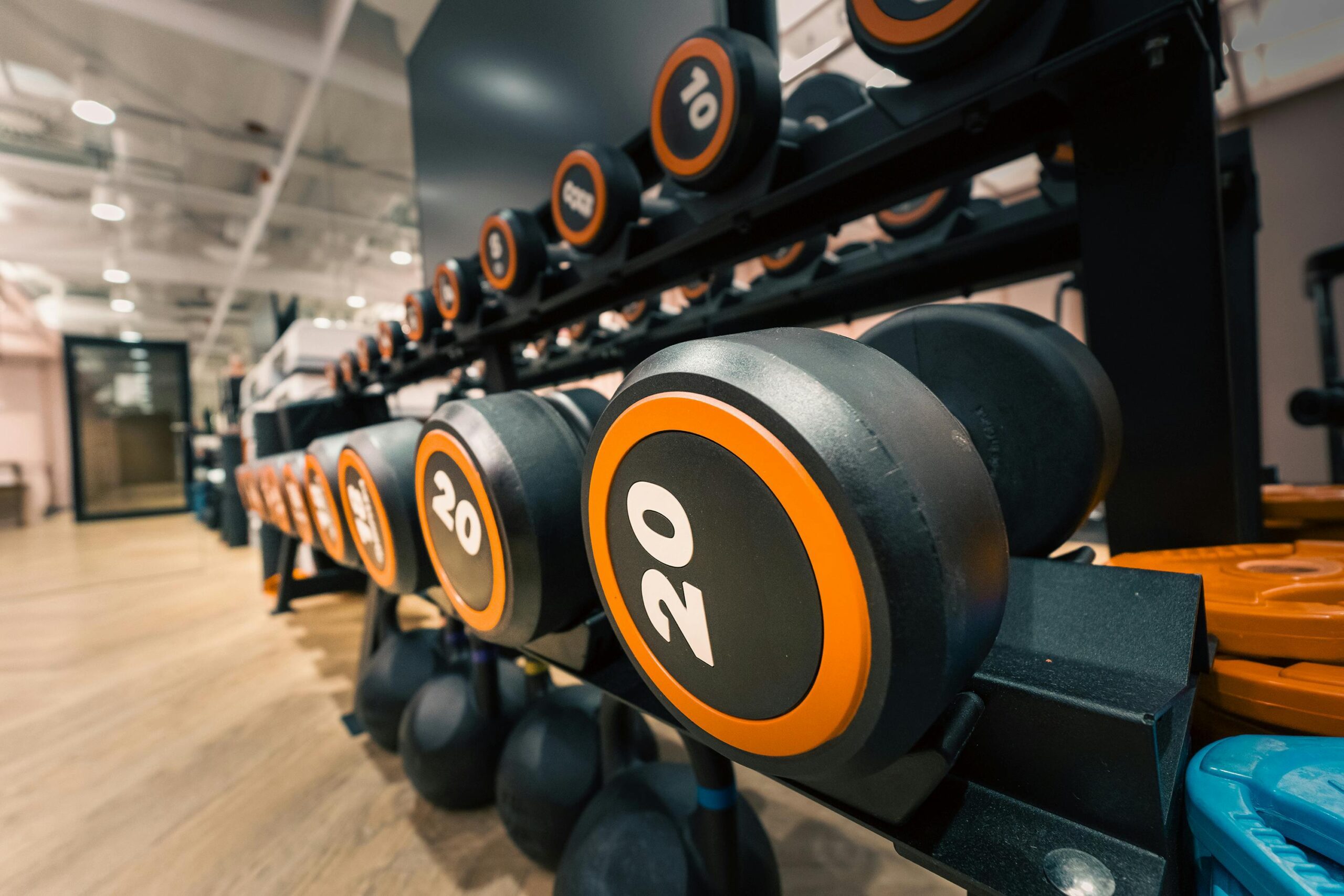
Gyms offer a wide range of machines, free weights, and specialized tools that most home setups can’t match. If your training includes heavy lifting, advanced cardio, or machine-based exercises, a gym might be the better fit.
Professional Support
Most gyms offer access to personal trainers, group classes, and staff who can guide your workouts. This is ideal for beginners who need instruction, motivation, or personalized plans.
Motivation and Energy
Trainers often say the gym atmosphere helps people stay committed. Seeing others work hard can be inspiring. Group classes and workout partners also boost accountability.
Space and Structure
Not everyone has space at home for a proper workout area. Gyms are designed for training—and that structure can improve focus and results.
What Local Trainers Say
We spoke to a few fitness professionals in the area, and here’s what they recommend:
- For beginners or those with tight schedules: Start at home with bodyweight exercises and minimal equipment. Once you’re consistent, you can upgrade to more advanced routines or join a gym for variety.
- For serious goals or strength training: A gym provides more tools and supervision, which helps with progression and injury prevention.
- For budget-conscious individuals: A simple home setup with a mat, resistance bands, and a pair of dumbbells is enough for most fitness goals.
- For accountability: Many trainers offer online coaching for home workouts, or in-person training at gyms, so you can choose what works best for you.
Final Thoughts
Both home gyms and gym memberships have their benefits—and neither is “better” for everyone. The right choice depends on your goals, preferences, and lifestyle. Local trainers suggest starting where you feel most comfortable and motivated. The most important thing is consistency—whether that’s in your living room or at the nearest gym.
Your fitness journey is personal. Choose the space that supports it best.